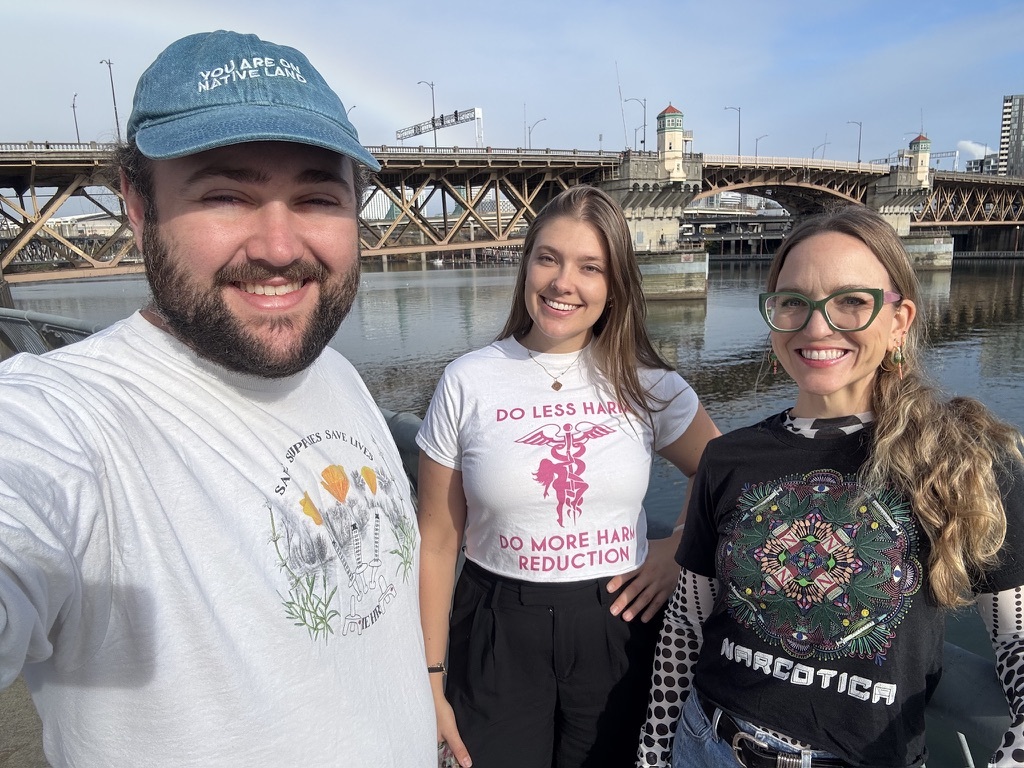
Harm Reduction IHC is an independent project fiscally sponsored by International Health Collective.
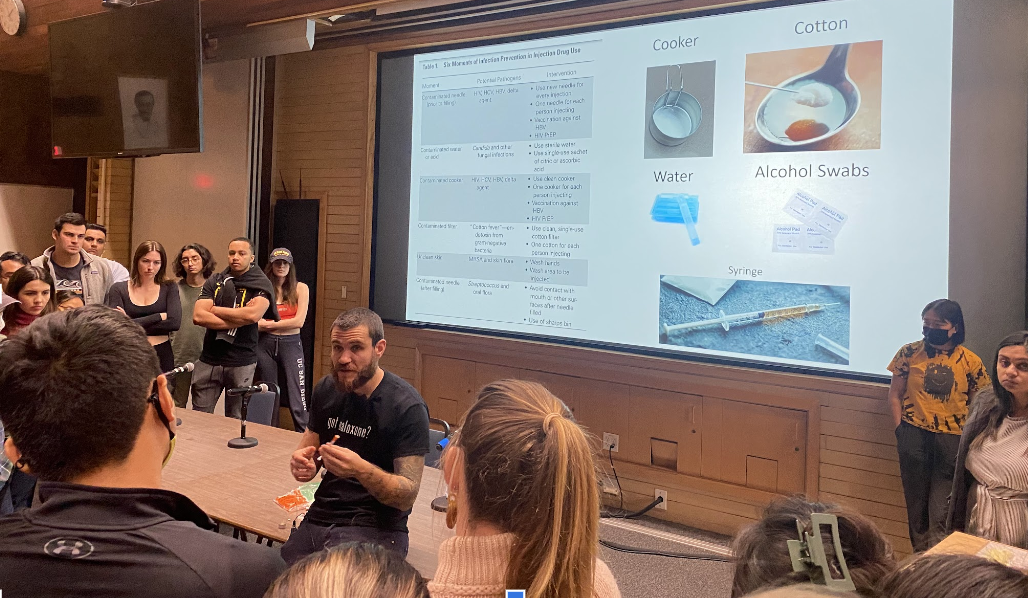
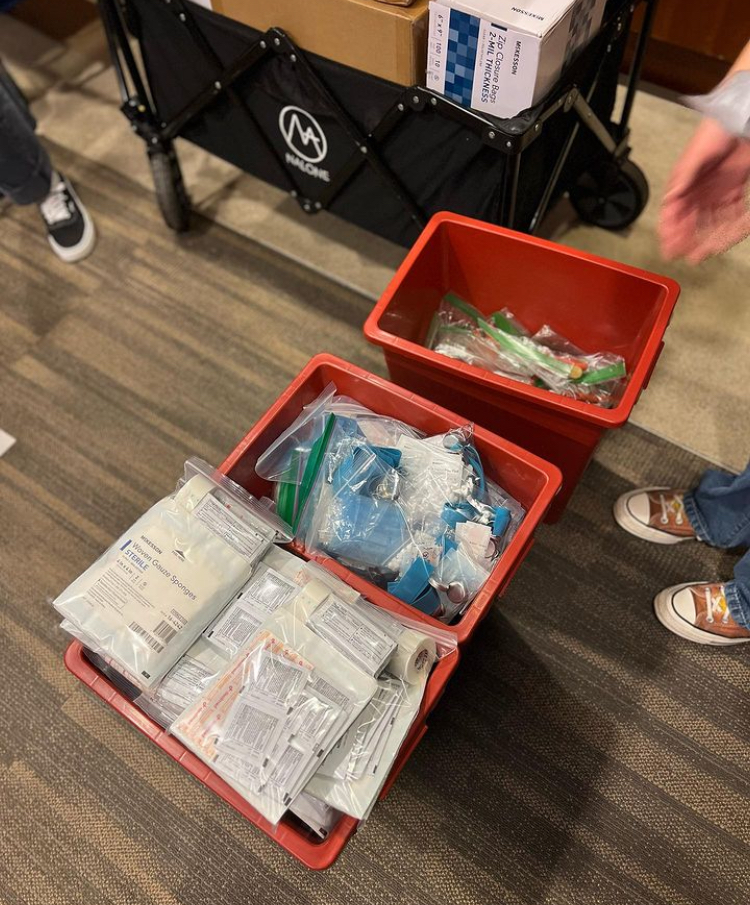
Harm Reduction IHC’s core mission is to support the health and well-being of people who use drugs by providing life-saving overdose reversal medication (naloxone); supplies for safer substance use, wound care, and personal hygiene; education to promote safer substance use; and referrals to accessible and harm reduction-informed healthcare and social services.
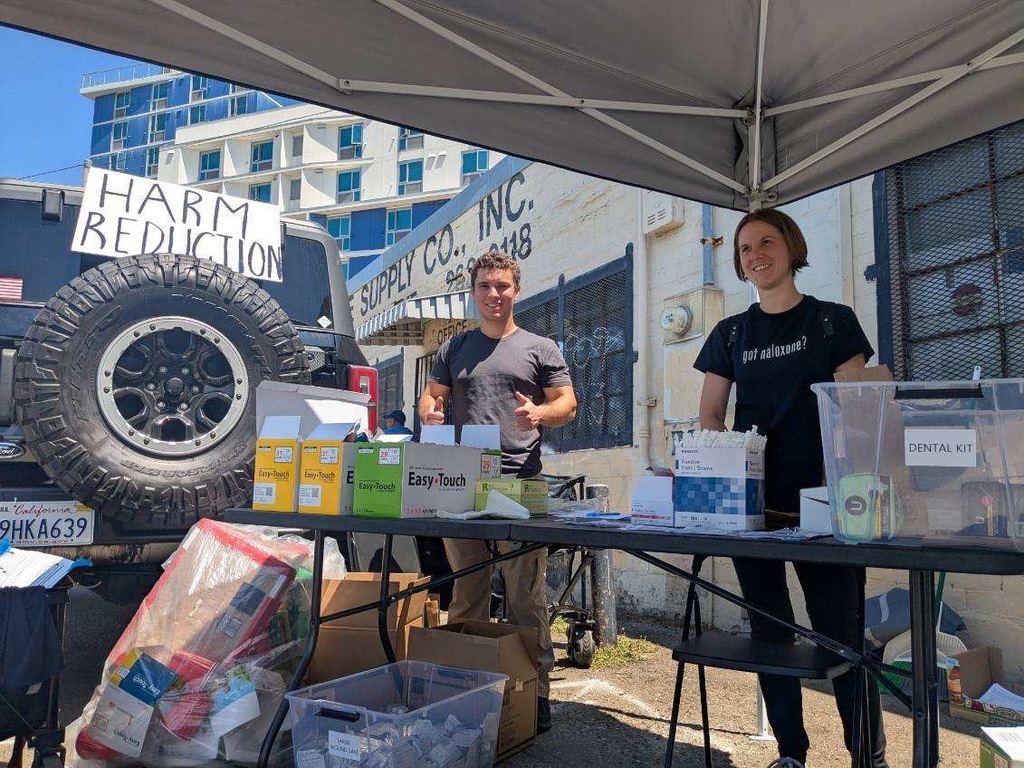
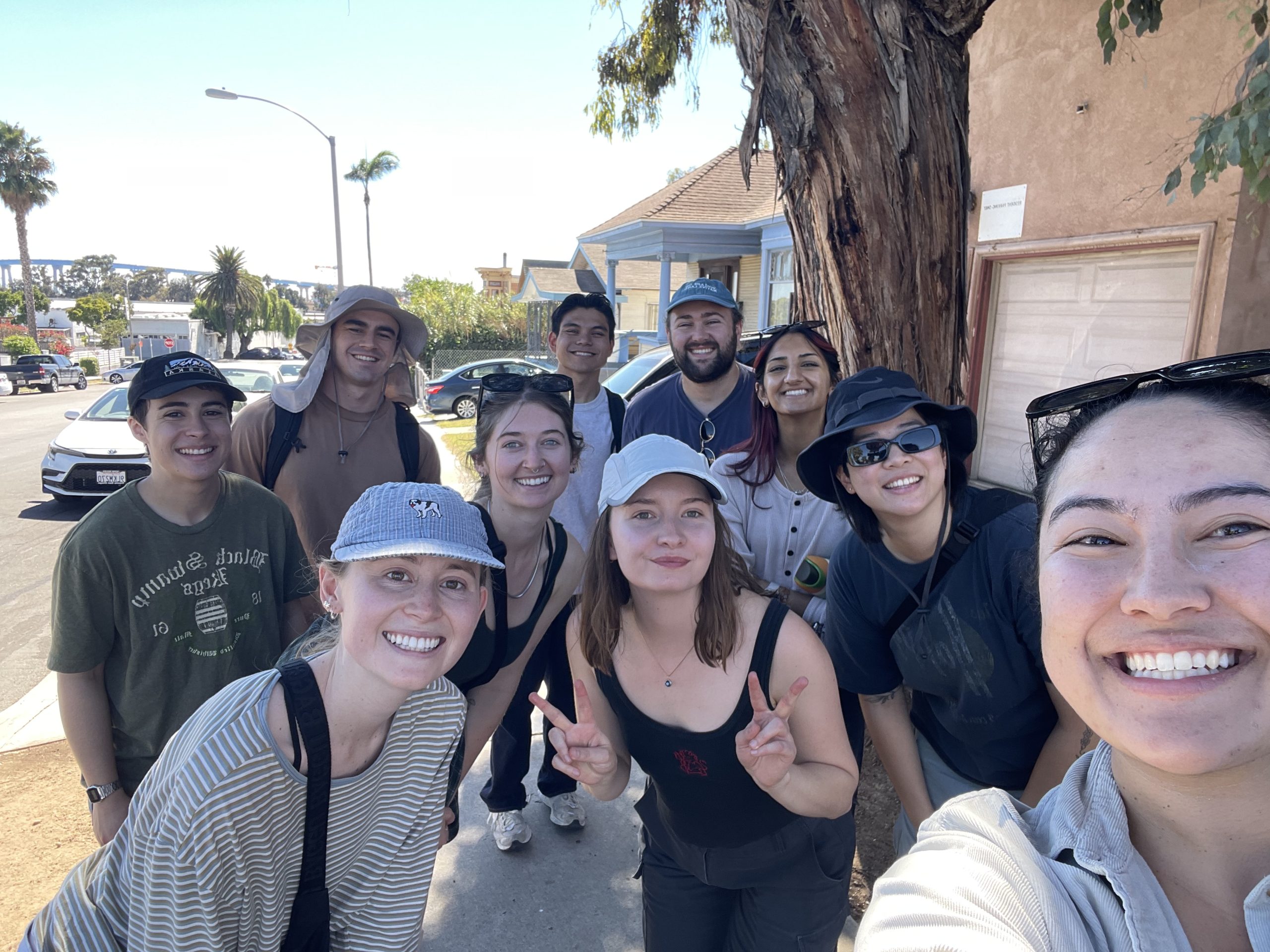
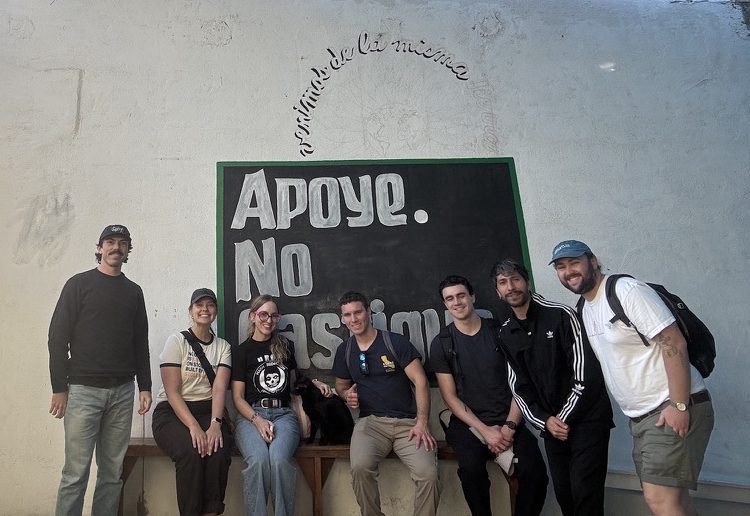
We meet these goals through weekly on-foot mobile outreach — our volunteer teams meet our participants where they are at to provide low-barrier, nonjudgmental access to harm reduction services.
We welcome everyone to volunteer with us and to reach out to us for services. To contact us, please reach out to us via email.
Harm reduction is a set of practical strategies and ideas aimed at reducing the negative consequences associated with drug use. Harm reduction is also a movement for social justice built on a belief in, and a respect for, the rights of people who use drugs.
–National Harm Reduction Coalition
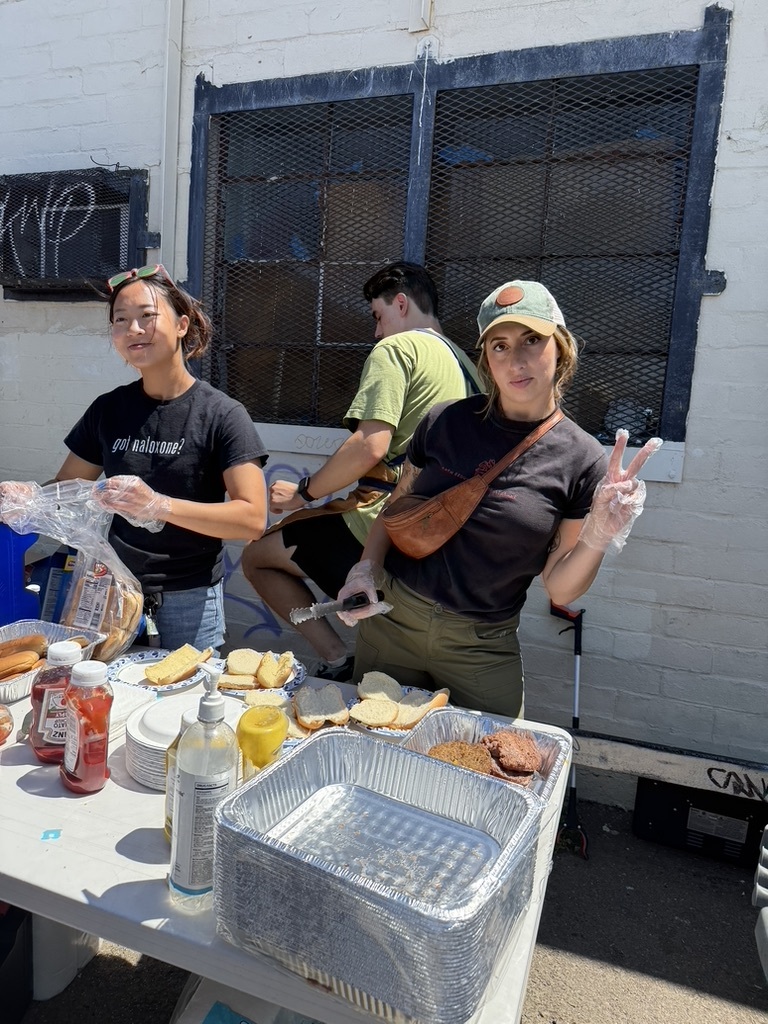
Joining us on outreach is a great way to support local harm reduction efforts. During weekly outreach, Harm Reduction IHC provides mobile, on-foot services in the local community to connect participants with no-cost harm reduction supplies, including naloxone, a life-saving overdose medication.
Want to volunteer, collaborate, or receive services? Please reach out to us via email.
Interested in donating to Harm Reduction IHC? We appreciate your support.
HR IHC is sponsored by International Health Collective. Please use the “Support Us” icon in the top right to make a donation, and enter “HRIHC” or “Harm Reduction” in the donation note to direct the donation to our project.
1.) Accepts that drug use is a part of our world and chooses to work to minimize its harmful effects rather than simply ignore or condemn them
2.) Understands drug use as a multifaceted phenomenon that encompasses a continuum of behaviors, some of which are safer than others
3.) Established quality of life and well-being, not necessarily the cessation of drug use, as the criteria for successful interventions
4.) Calls for non-judgmental, non-coercive provision of services and resources
5.) Ensures that people who use drugs and those with the history of drug use have a voice in the creation of programs and policies designed to serve them
6.) Affirms people who use drugs themselves as the primary agents of reducing the harms of their drug use and empowers them to support each other
7.) Recognizes the realities of poverty, class, racism, social isolation, gender-based discrimination, and other social inequalities affect people’s vulnerability and capacity to respond to drug harm
8.) Does not minimize or ignore the real tragic harm associated with drug use
–National Harm Reduction Coalition